
Many older homes throughout Northern Virginia and Maryland have basements with low ceilings that limit how the space can be used. While these areas may provide valuable storage, they often lack the ceiling height needed for comfortable living spaces, home offices, bedrooms, rental units, or entertainment areas.
If you’ve ever wished your basement had more headroom, lowering the basement floor may be the solution.
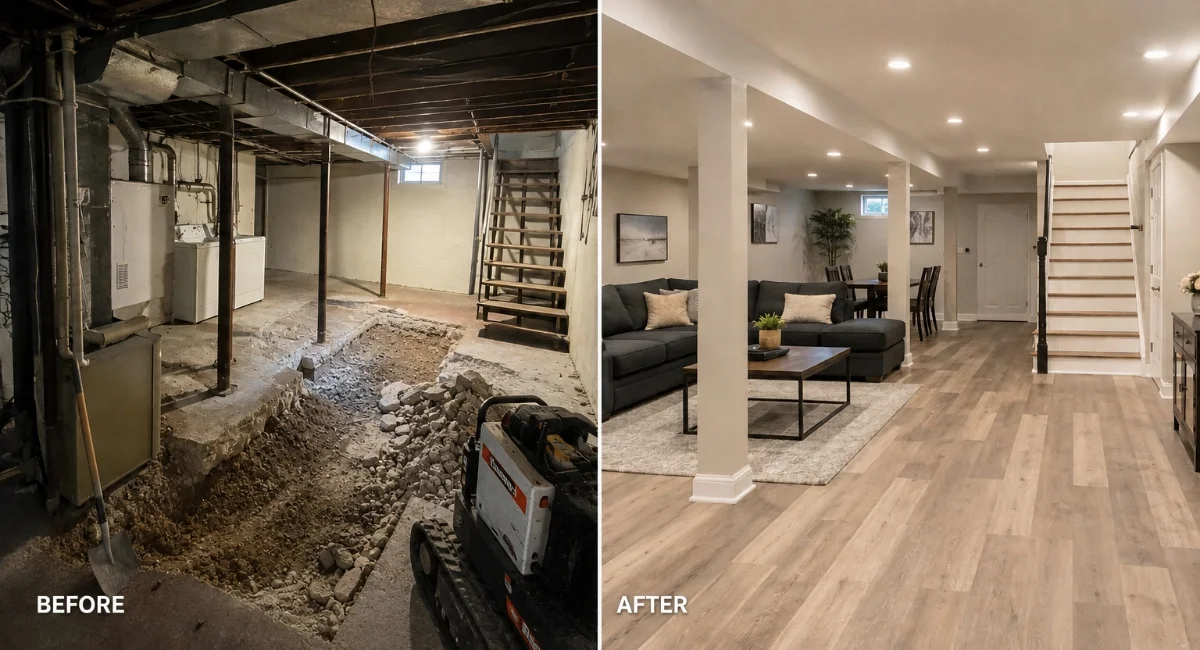
By excavating the existing floor and extending the foundation through a process called underpinning, homeowners can create additional ceiling height, transform underutilized space into livable square footage, and potentially increase their home’s value.
Why Homeowners Choose to Lower a Basement Floor
Many homes built before the 1940s were designed with basements intended primarily for utility purposes. Water heaters, furnaces, and storage areas were often the only planned uses, resulting in ceilings that are too low for modern living standards.
Lowering the basement floor can create a more functional space while maintaining the home’s existing footprint.
Common reasons homeowners choose basement lowering include:
- Creating a finished basement
- Adding a home office
- Building a guest suite or bedroom
- Creating an in-law apartment
- Adding a home gym
- Expanding entertainment space
- Increasing overall property value
For many homeowners, lowering a basement floor is more practical than building an addition because it utilizes space that already exists beneath the home.
Does Lowering a Basement Floor Increase Home Value?
In many cases, yes.
When completed properly, basement lowering can significantly increase the amount of usable living space within a home. Higher ceilings make the basement feel more open, comfortable, and appealing to future buyers.
Additional finished square footage can improve marketability while creating more flexibility for growing families or multigenerational living arrangements.
The exact return on investment depends on the home’s location, condition, and the quality of the finished basement, but many homeowners view basement lowering as both a lifestyle improvement and a long-term investment.
How Does Basement Lowering Work?
The most common method for lowering a basement floor is foundation underpinning.
Underpinning strengthens and extends the existing foundation so the basement can be excavated safely without compromising the structure above.
The process generally includes:
- Excavating sections beneath the existing foundation.
- Extending the foundation deeper with reinforced concrete.
- Installing structural supports as needed.
- Removing the existing basement floor.
- Excavating additional soil to achieve the desired depth.
- Installing drainage and waterproofing components.
- Pouring a new concrete basement floor.
Once completed, the basement can be finished just like any other living area in the home.
Important Factors to Consider Before Lowering a Basement Floor
Foundation Type and Condition
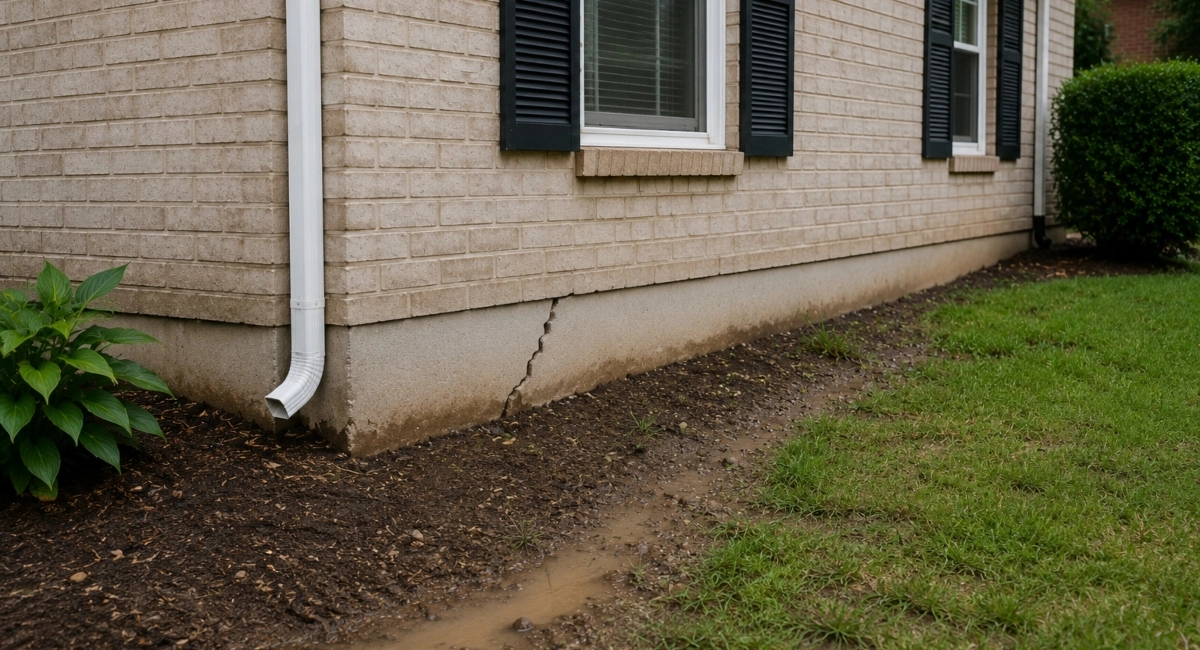
Every home is different. Poured concrete, block foundations, and stone foundations each require different approaches. Existing foundation cracks, settlement issues, or structural concerns may need to be addressed before excavation begins.
Ceiling Height Goals
The amount of excavation required depends on the desired ceiling height. In addition to the finished floor, space must be allocated for a gravel base, drainage systems, and concrete slab installation.
Sewer and Plumbing Connections
Existing plumbing systems must be evaluated before construction begins. In some cases, a sewage ejector pump may be necessary if plumbing fixtures end up below the sewer connection.
Water Table Conditions
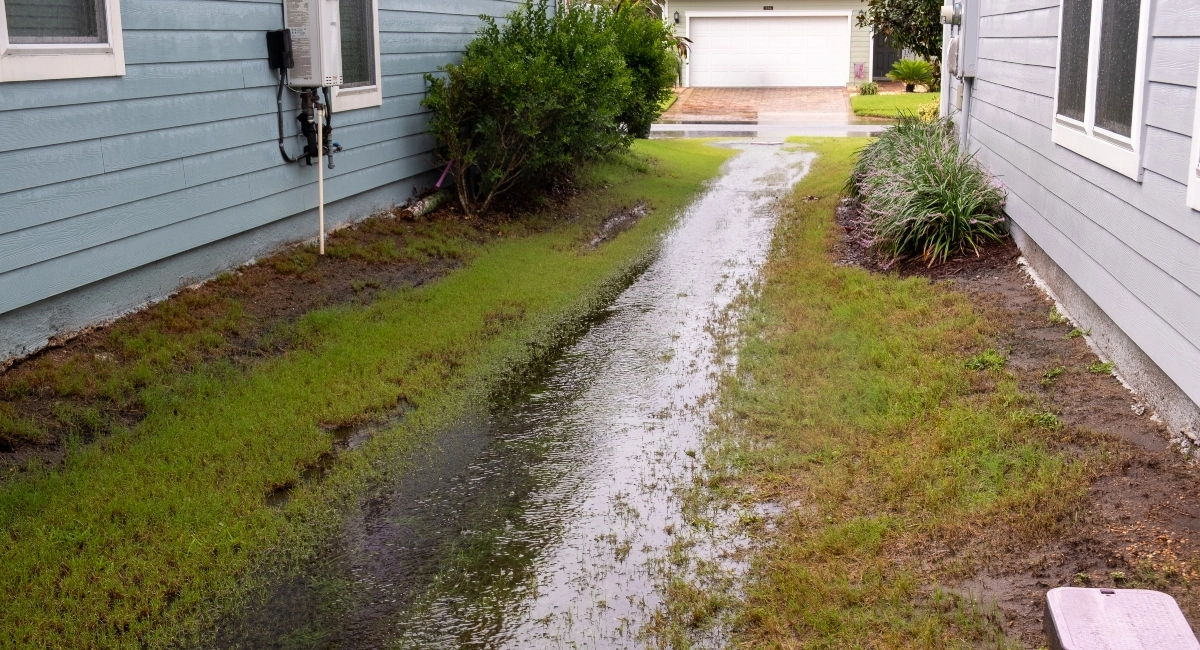
Homes with high groundwater levels may require additional waterproofing measures to protect the new living space from moisture intrusion.
Neighboring Structures
In densely populated areas of Northern Virginia, careful planning is required to ensure excavation does not impact adjacent properties or shared structural conditions.
Basement Waterproofing Is Essential
Whenever a basement floor is lowered, waterproofing should be part of the project.
Lowering the floor changes the relationship between the home and surrounding groundwater. Installing waterproofing components during construction helps protect your investment and prevents future moisture issues.
Many basement lowering projects include:
- Interior drainage systems
- Sump pump installation
- Vapor barriers
- Foundation crack repair
- Dehumidification systems
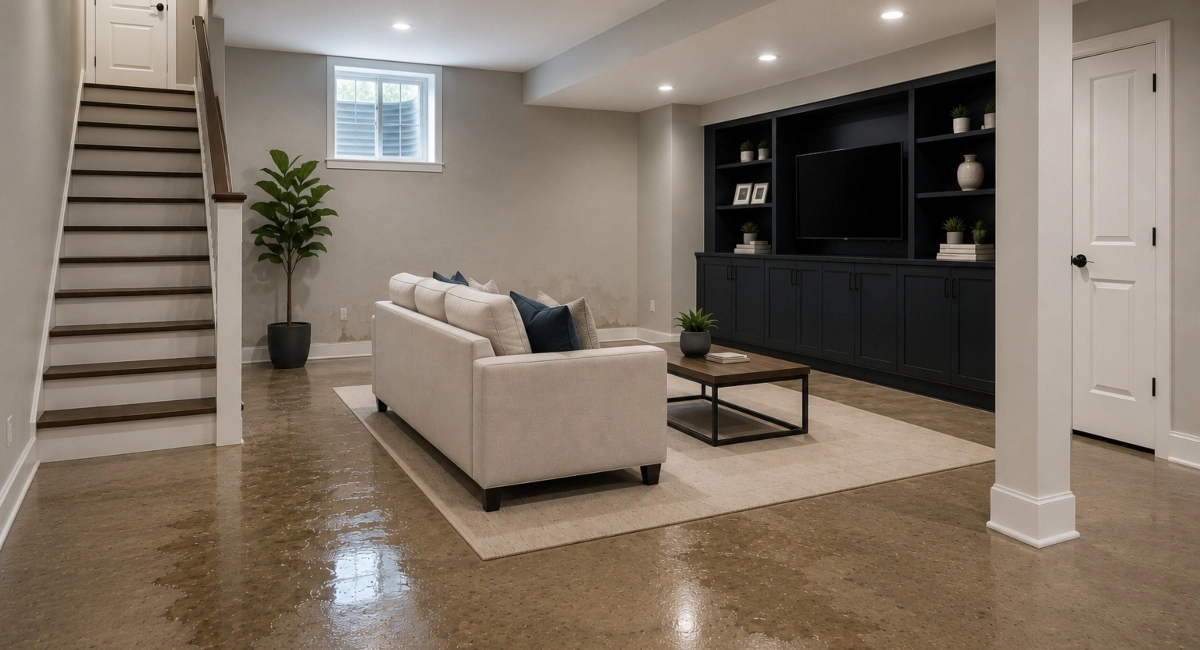
A dry basement is critical when creating new living space, especially if flooring, drywall, furniture, or personal belongings will be added.
Don't Forget About Egress Windows
If your renovation plans include a bedroom, most local building codes require an egress window.
Egress windows provide an emergency exit while also bringing natural light into the basement. Many homeowners choose to install egress windows during a basement lowering project because excavation work is already underway.
Is Lowering a Basement Floor Right for Your Home?
Basement lowering can be an excellent solution for homeowners who love their current home but need more usable living space. Rather than building outward, lowering the basement floor allows you to maximize the square footage you already have while improving comfort, functionality, and home value.
Because every foundation is different, the best first step is a professional evaluation to determine whether your basement is a good candidate for underpinning and excavation.
Basement Floor Lowering in Northern Virginia and Maryland
Basement Masters Waterproofing provides basement floor lowering, foundation underpinning, basement waterproofing, foundation repair, sump pump installation, and egress window services throughout Northern Virginia and parts of Maryland.
Our experienced team can evaluate your basement, explain your options, and help you create a safer, more functional living space beneath your home.
Contact Basement Masters Waterproofing today to schedule a free inspection and estimate.
Blog was originally posted on June 2017, updated in 2021, and revamped in June 2026.