
If you’ve lived in Northern Virginia for any length of time, you’ve probably noticed how dramatically the weather can change from one season to the next. Weeks of heavy rain may be followed by hot, dry conditions, creating constant changes in the soil surrounding your home. While those fluctuations may not seem significant, they can have a major impact on your foundation, especially if your property sits on expansive clay soil.
Clay-rich soils are common throughout Northern Virginia and are one of the leading contributors to foundation movement. Unlike sandy soils that drain quickly, clay absorbs and retains large amounts of water. As moisture levels rise and fall, the soil expands and contracts, placing continuous stress on your home’s foundation.
Understanding how expansive clay behaves can help you recognize potential problems early and protect your home from costly structural repairs.
Why Clay Soil Is Different
Not all soil reacts to water the same way.
Clay is made up of extremely small particles that can absorb a surprising amount of moisture. When water enters the soil, those particles swell and increase in volume. During dry weather, the opposite occurs. The soil loses moisture, shrinks, and pulls away from the foundation.
This constant cycle of expansion and contraction makes clay one of the most challenging soil types for foundations. Instead of remaining stable year-round, the ground beneath your home is continually moving. Over time, that movement can cause foundations to settle unevenly, crack, or shift out of alignment.
Why This Is a Common Problem in Northern Virginia
Northern Virginia experiences weather patterns that create ideal conditions for expansive clay soils.
Spring and summer storms can quickly saturate the ground around your home. Later in the season, extended periods of heat may dry the soil significantly. Winter introduces another challenge as freezing temperatures create additional expansion and contraction within both the soil and concrete.
Homes throughout Fairfax, Loudoun, Arlington, Alexandria, and surrounding communities often experience these seasonal moisture swings year after year.
While newer homes aren’t immune, older homes may become more vulnerable as drainage systems age, landscaping changes, and years of soil movement gradually affect the foundation.
What Causes Clay Soil to Become Oversaturated?
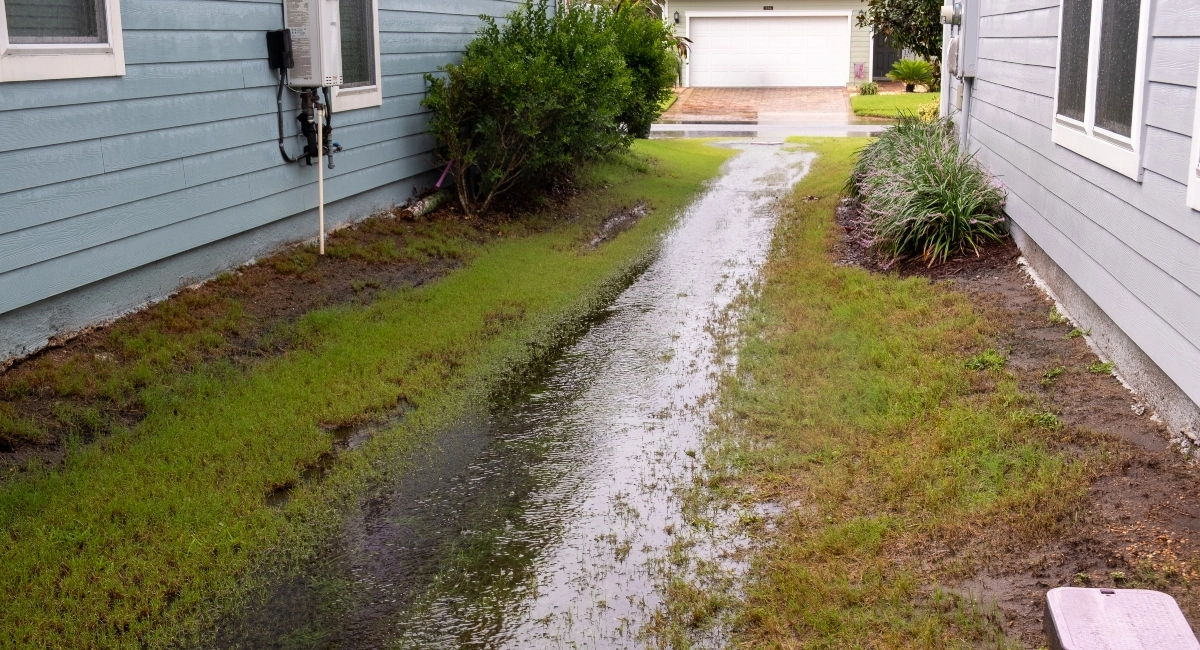
Rainfall is only one source of excess moisture. Several conditions can introduce water into the soil surrounding your foundation, including:
- Heavy or prolonged rainstorms
- Poor yard grading
- Clogged gutters
- Downspouts that discharge too close to the home
- Leaking water or sewer lines
- Overwatering landscaping
- High groundwater levels
- Melting snow and ice
When water isn’t directed away from your home, the surrounding clay absorbs it like a sponge. As the soil expands, it creates pressure against foundation walls that can eventually lead to cracking, bowing, and water intrusion.
Dry Weather Can Be Just as Damaging
Many homeowners assume foundation problems only occur after heavy rain. In reality, drought conditions can create equally serious issues.
As clay soils dry out, they shrink and leave small voids beneath portions of your foundation. Without consistent support, parts of the foundation may begin settling into those spaces. This uneven movement often produces structural symptoms throughout the home, including cracks, sloping floors, and sticking windows or doors.
The continual transition between wet and dry seasons is what makes expansive clay particularly challenging. Instead of experiencing a single movement event, your foundation may endure years of repeated expansion and contraction.
Common Signs of Clay Soil Foundation Problems
Foundation movement caused by expansive soils usually develops gradually. Many homeowners first notice small cosmetic changes before larger structural problems become apparent. Watch for signs such as:
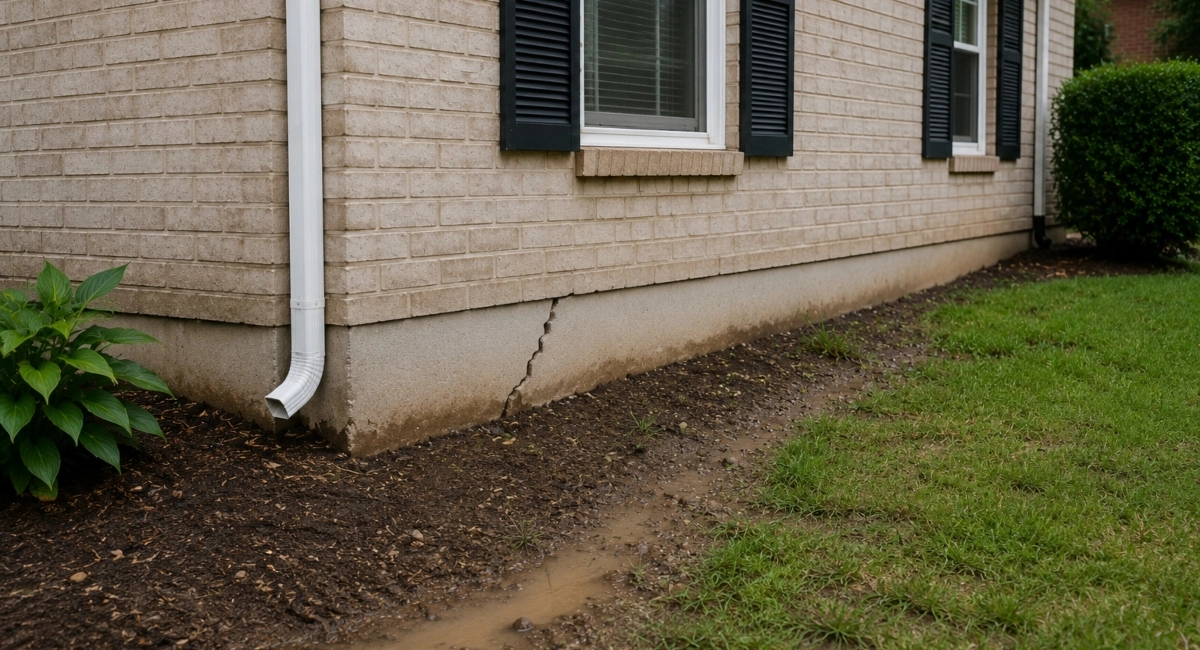
- Stair-step cracks in brick or masonry
- Cracks in drywall
- Uneven or sloping floors
- Doors that stick or won’t latch
- Windows that become difficult to open
- Gaps around window or door frames
- Bowing basement walls
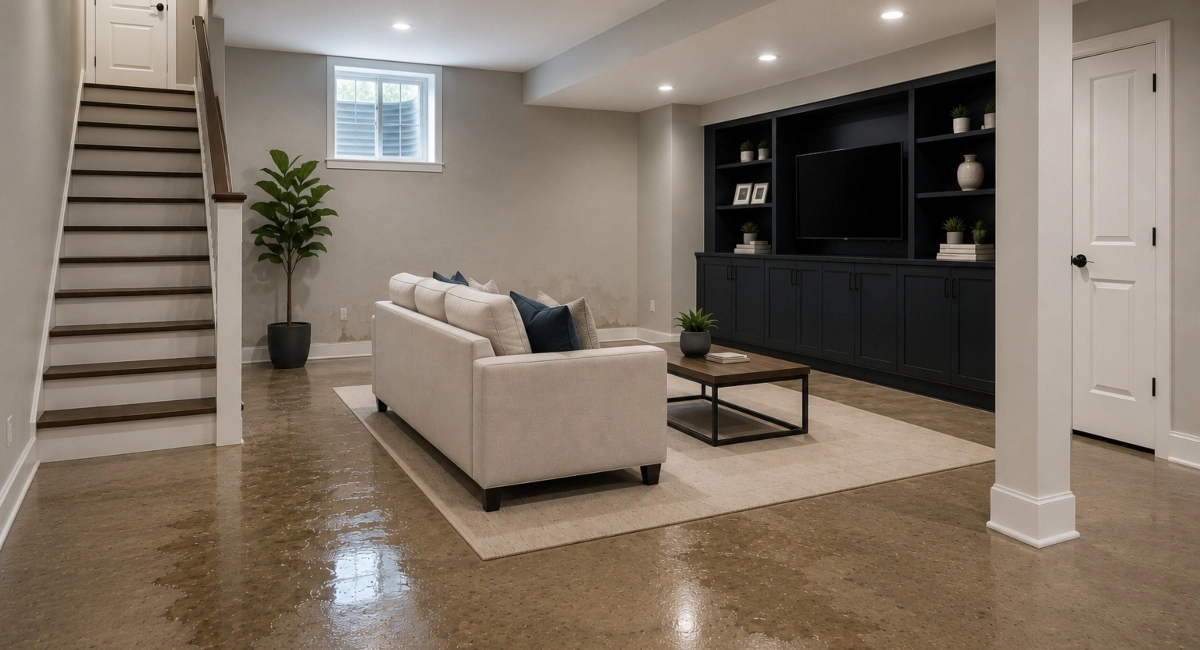
- Water entering the basement after rain
- Cracks in foundation walls
- Chimneys or porches pulling away from the home
These warning signs don’t necessarily mean your home is unsafe, but they do indicate it’s time for a professional foundation inspection.
Understanding Hydrostatic Pressure
One of the biggest threats associated with damp clay soil is hydrostatic pressure. When saturated soil expands around your basement walls, it exerts tremendous force against the concrete. Over time, that pressure can cause foundation walls to crack or bow inward.
Once even a small crack develops, water can begin entering the basement, increasing moisture levels and potentially leading to mold, mildew, and additional structural concerns. Reducing hydrostatic pressure through proper drainage is one of the most effective ways to protect your foundation.
Homes in Northern Virginia are often built on expansive clay soils that behave differently than other soil types.
Learn more: How Damp Clay Soil Affects Your Foundation in Northern Virginia.
Can Trees Affect Clay Soil?
Trees are often overlooked when discussing foundation movement.
Large trees require significant amounts of water to survive. During dry periods, their roots pull moisture from the surrounding soil, sometimes causing localized drying beneath portions of the foundation.
While tree roots don’t typically “break” foundations, the moisture changes they create can contribute to uneven soil movement. Planting large trees too close to the home may increase the likelihood of differential settlement over time.
How to Reduce Foundation Problems Caused by Clay Soil
Although you can’t change the type of soil beneath your home, you can reduce its impact by managing moisture levels around the foundation. Some practical steps include:
- Keep gutters clean throughout the year
- Extend downspouts well away from the foundation
- Maintain positive grading around your home.
- Repair leaking plumbing lines promptly
- Avoid overwatering flower beds near the house
- Monitor foundation cracks for changes
- Schedule periodic foundation inspections
Install drainage or waterproofing systems if water regularly collects around your home. The goal isn’t to eliminate moisture entirely. Instead, it’s to keep soil moisture as consistent as possible throughout the year.
When Foundation Repair May Be Necessary
If expansive clay has already caused significant movement, preventative maintenance alone may not solve the problem.
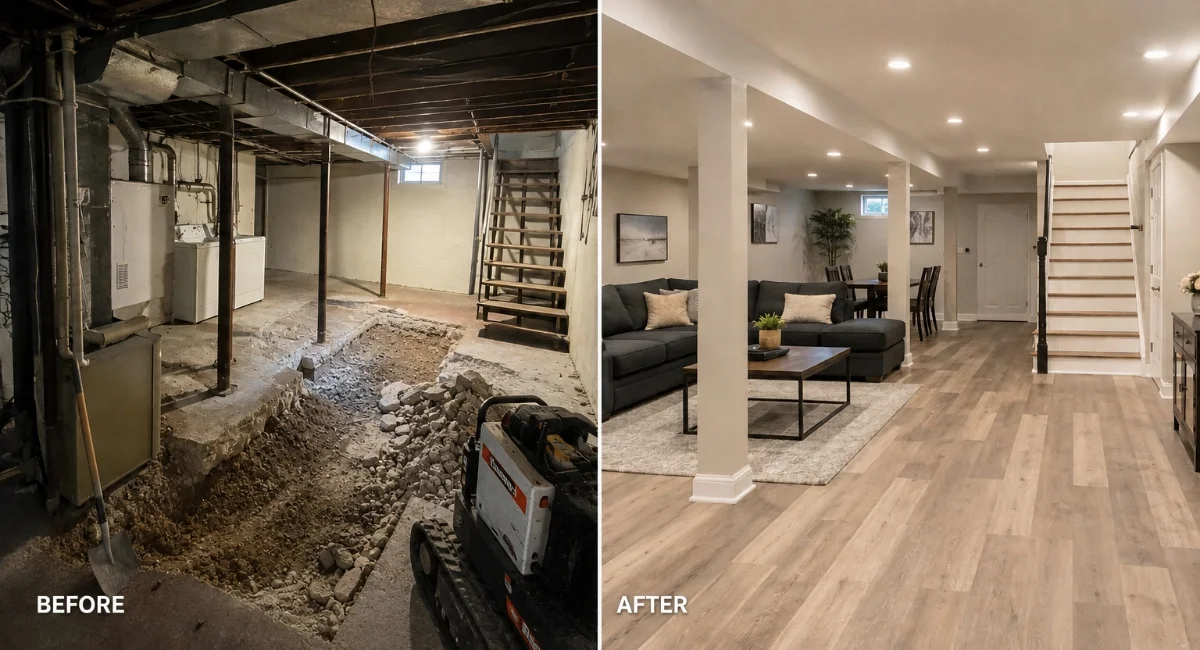
Depending on the extent of the damage, foundation repair solutions may include stabilizing the foundation with steel piers, repairing foundation cracks, improving exterior drainage, or installing basement waterproofing systems to reduce hydrostatic pressure.
Every home is different, which is why a professional evaluation is the best way to determine the underlying cause of foundation movement and recommend the appropriate repair.
Don't Ignore Early Warning Signs
Foundation problems caused by clay soil rarely improve on their own. Small cracks can become larger. Minor settlement may continue until doors no longer close properly, basement walls begin bowing, or water starts entering your home after every storm.
Addressing these issues early is often far less expensive than waiting until significant structural repairs become necessary.
If you’ve noticed new cracks, uneven floors, moisture in your basement, or other signs of foundation movement, having your home inspected now can help prevent larger problems later.
Protect Your Foundation from Northern Virginia's Expansive Clay Soils
Expansive clay soils are a fact of life throughout Northern Virginia, but they don’t have to threaten your home’s structural integrity. Understanding how moisture affects the soil around your foundation—and taking steps to manage drainage—can significantly reduce your risk of foundation damage.
If you’re concerned about cracks, settlement, or water intrusion, the experienced team at Basement Masters Waterproofing can evaluate your foundation and recommend solutions designed for the unique soil conditions found throughout Northern Virginia and parts of Maryland.
A professional inspection today can help protect your home.