
Your home’s foundation is designed to support everything above it, but it depends on something many homeowners rarely think about—the soil beneath it. When moisture levels change, the ground around your home changes too. Heavy rain, prolonged drought, poor drainage, and even plumbing leaks can all cause the soil to expand, contract, or erode, placing stress on your foundation over time.
For homeowners in Northern Virginia and parts of Maryland, these issues are especially common. The region’s expansive clay soils, frequent storms, humid summers, and seasonal freeze-thaw cycles create ideal conditions for foundation movement. While these changes often happen gradually, they can eventually lead to cracks, water intrusion, uneven floors, and structural damage if left unaddressed.
Understanding how water and soil work together is the first step toward protecting your home. Knowing what to watch for, and when to act, can help you avoid more extensive and costly repairs down the road.
Why Your Foundation Depends on Stable Soil
Many homeowners assume their foundation rests on solid rock. In reality, most homes are built on compacted soil that naturally expands and contracts as moisture levels change.
When the soil beneath or around your home shifts, your foundation shifts with it. Sometimes this movement is minimal and causes no lasting problems. However, repeated cycles of swelling and shrinking place continuous stress on foundation walls and footings.
The amount of movement depends on several factors, including:
- Soil composition
- Drainage around the home
- Seasonal rainfall
- Extended dry periods
- Plumbing leaks
- Landscaping and tree roots
No foundation is immune to these forces. The goal is to manage moisture around your home so the soil remains as stable as possible throughout the year.
How Water Creates Pressure Around Your Foundation
Water is one of the biggest contributors to foundation damage. After heavy rain or snowmelt, the soil surrounding your home absorbs moisture. As the soil becomes saturated, it expands and pushes against your foundation walls.
This force is known as hydrostatic pressure.
Hydrostatic pressure develops whenever water builds up in the soil faster than it can drain away. Instead of flowing away from the home, the saturated soil presses inward on foundation walls. Over time, this constant pressure can cause walls to bow, crack, or allow water to seep into the basement.
Even homes with poured concrete foundations can develop small cracks under enough pressure. Once cracks appear, water finds an easier path inside, creating a cycle that often worsens if repairs are delayed.
Too Little Water Can Be Just as Harmful
While excessive moisture creates pressure against your foundation, prolonged dry weather creates an entirely different problem.
During drought conditions, the soil loses moisture and begins to shrink. As it contracts, small gaps may form beneath portions of the foundation, reducing the support your home relies on.
Instead of being pushed inward, sections of the foundation may settle downward into these voids. This uneven settlement often causes:
- Interior drywall cracks
- Uneven or sloping floors
- Doors that stick or won’t latch properly
- Windows that become difficult to open
- Gaps around trim and molding
Northern Virginia often experiences alternating periods of heavy rainfall followed by weeks of hot, dry weather. These repeated moisture swings place foundations under continual stress year after year.
Common Sources of Foundation Moisture Problems
Foundation problems rarely stem from a single event. More often, they’re the result of ongoing moisture issues that gradually affect the surrounding soil. Some of the most common causes include:
- Heavy rainfall
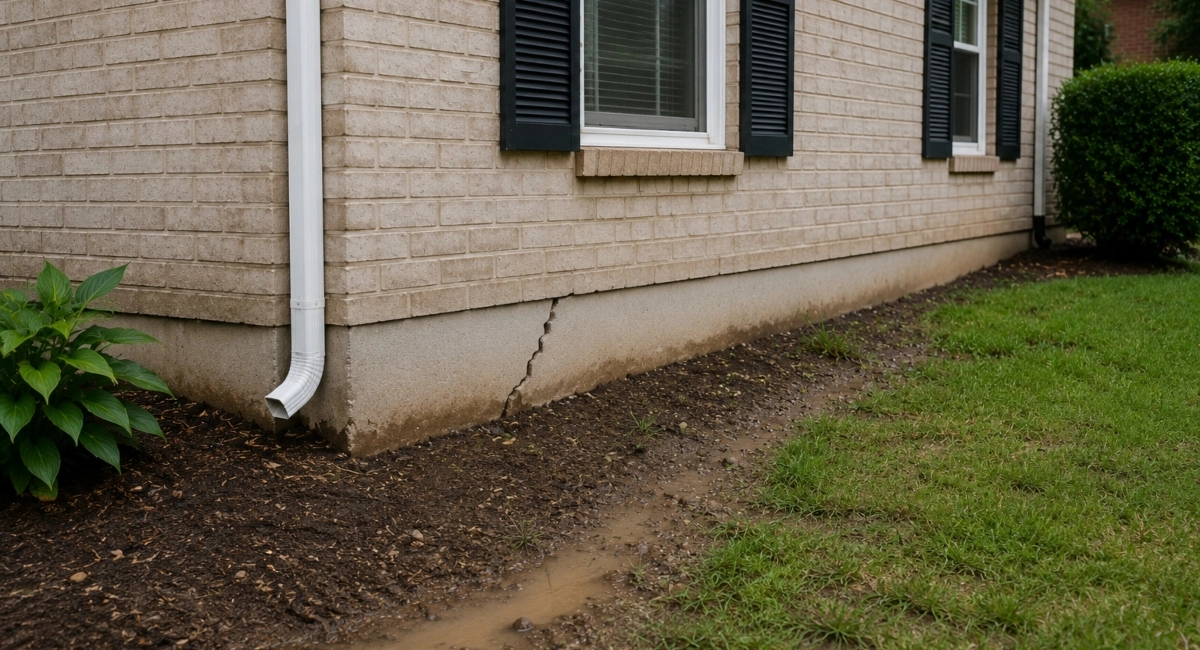
- Poor grading around the home
- Clogged gutters
- Downspouts that discharge too close to the foundation
- Leaking plumbing lines
- Irrigation systems that overwater landscaping
- Underground springs or naturally high water tables
- Snow and ice melt
- Freeze-thaw cycles during winter
Many of these issues can be corrected before they cause structural damage, making regular home maintenance an important part of foundation protection.
How Soil Conditions Affect Your Foundation
The soil supporting your home is constantly responding to changes in moisture. Some soils drain quickly and remain relatively stable. Others, particularly clay-rich soils common throughout Northern Virginia, absorb significant amounts of water before slowly releasing it over time.
As moisture enters the ground, clay soils swell. When they dry, they shrink.
This continual expansion and contraction causes the soil to move beneath the foundation. Over many seasons, that movement can lead to settlement, cracking, and structural instability.
Homes built on expansive soils often require closer monitoring because even normal weather patterns can gradually affect foundation performance.
Want to learn more about expansive clay soils? Read our guide on expansive clay soil and foundation problems.
Signs Water and Soil Are Affecting Your Foundation
Foundation damage rarely appears overnight. More often, homeowners notice small warning signs that gradually become more noticeable over time. Keep an eye out for:
- Stair-step cracks in brick or masonry
- Horizontal or vertical foundation cracks
- Bowing basement walls
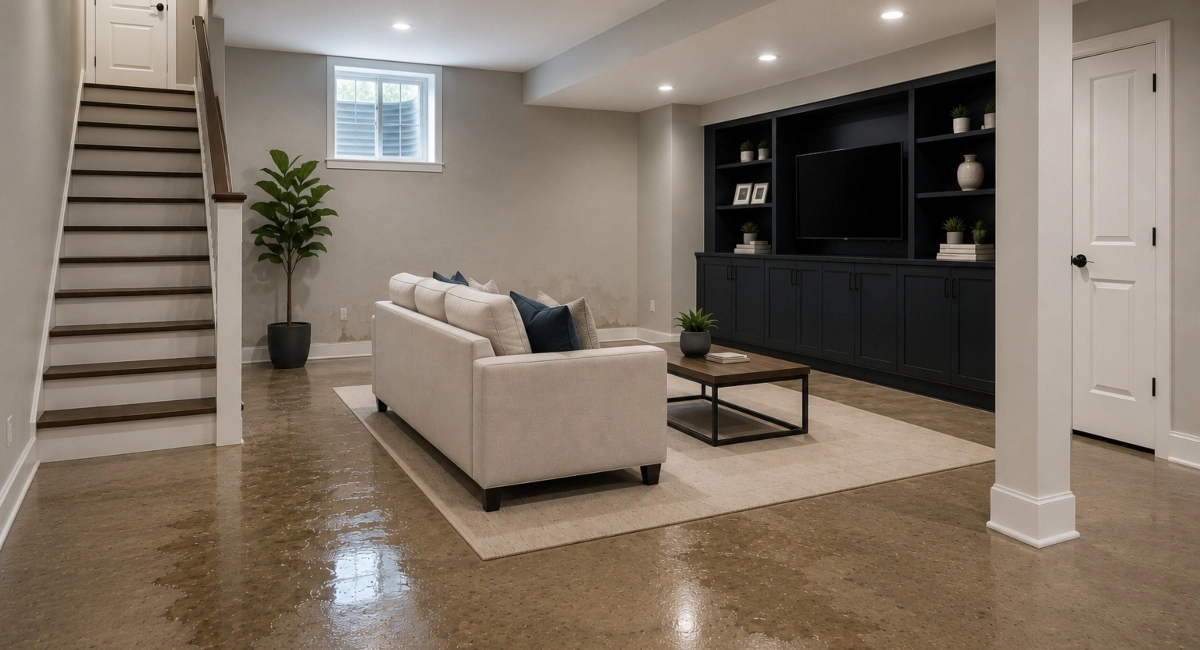
- Water seepage after rain
- Damp basement walls
- Musty odors
- Mold or mildew growth
- Uneven floors
- Doors or windows that stick
- Cracks in drywall
- Gaps around window or door frames
- Chimneys that appear to lean
One symptom alone doesn’t always indicate a major structural issue. However, multiple warning signs often suggest the foundation should be professionally evaluated.
Plumbing Leaks Can Damage Your Foundation
Not every moisture problem starts with the weather.
A leaking water supply line beneath your home can slowly saturate the surrounding soil for months before anyone realizes there’s a problem.
Unlike rainfall, which eventually dries, plumbing leaks provide a constant source of moisture. This continual saturation softens the supporting soil and may accelerate settlement or increase hydrostatic pressure around the foundation.
If you notice an unexplained increase in your water bill, damp spots on floors, or persistent moisture around the foundation, it’s important to investigate the source before structural damage develops.
Freeze-Thaw Cycles Add Additional Stress
Winter weather creates another challenge for foundations throughout Northern Virginia.
When water enters small foundation cracks and temperatures drop below freezing, the water expands into ice. As the ice grows, it widens the crack slightly.
When temperatures warm, the ice melts, allowing more water to enter the newly enlarged opening.
Repeated freeze-thaw cycles gradually weaken concrete and masonry, making existing cracks larger over time and increasing the likelihood of water intrusion.
Protecting Your Foundation Starts with Water Management
Fortunately, many moisture-related foundation problems can be prevented with proactive maintenance. Simple improvements around your home can significantly reduce the amount of water reaching your foundation.
Some of the most effective preventative measures include:
- Keep gutters free of debris
- Extend downspouts several feet away from the home
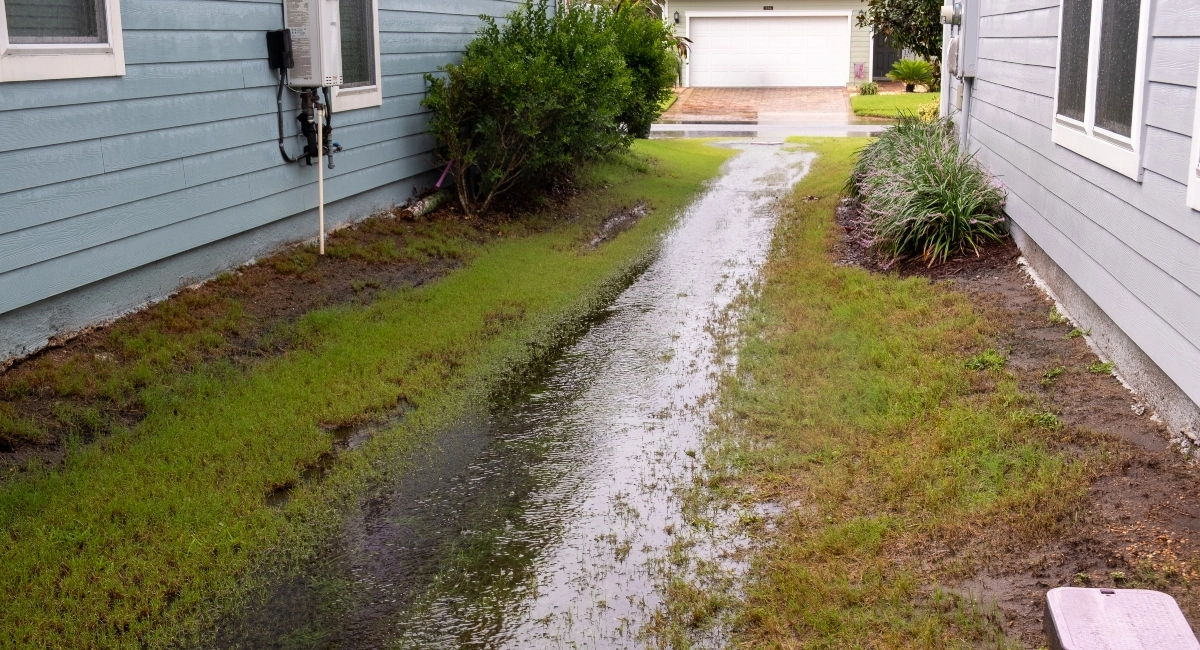
- Maintain positive grading so water flows away from the foundation
- Repair plumbing leaks promptly
- Avoid overwatering landscaping near the house
- Inspect basement walls annually for new cracks
- Address standing water immediately
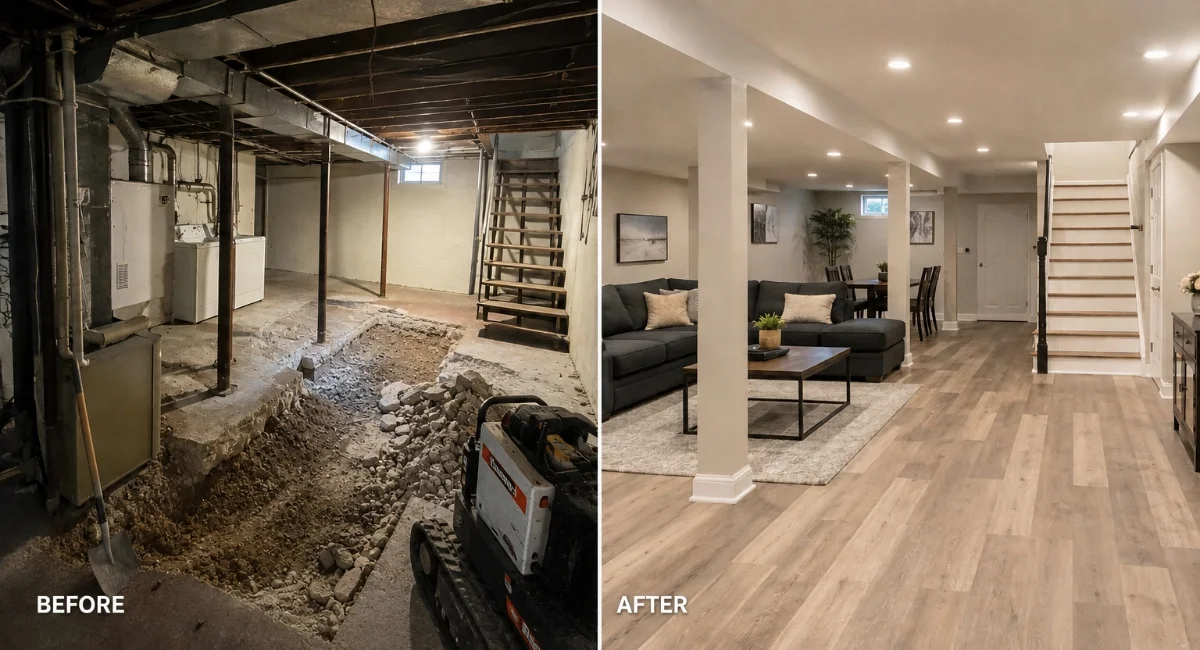
- Install waterproofing or drainage systems when needed
Managing water before it reaches your foundation is almost always less expensive than repairing structural damage later.
When Foundation Problems Require Professional Repair
While small cosmetic cracks aren’t always cause for concern, foundation movement should never be ignored. If cracks continue growing, walls begin bowing inward, or water repeatedly enters your basement, it’s time for a professional inspection.
Foundation issues rarely improve on their own. Early repairs are typically less invasive and less expensive than waiting until significant structural movement occurs.
An experienced foundation specialist can determine the underlying cause of the problem and recommend solutions designed to stabilize your home for the long term.
Protect Your Home Before Small Problems Become Major Repairs
Water and soil are constantly interacting beneath your home. Although these natural processes can’t be stopped, they can be managed with proper drainage, waterproofing, and foundation maintenance.
If you’ve noticed cracks, moisture, sticking doors, or other signs of foundation movement, don’t wait for the damage to worsen. The team at Basement Masters Waterproofing helps homeowners throughout Northern Virginia identify the source of foundation problems and recommend lasting repair solutions.
A professional inspection today can help protect your home’s safety, value, and structural integrity.
Contact Basement Masters Waterproofing for a free consultation.