

Does your yard stay soggy for days after a rainstorm? Do you notice standing water near your foundation, muddy patches in your lawn, or water collecting around walkways and patios?
Poor yard drainage is one of the most common property issues homeowners face throughout Northern Virginia and Maryland. While a wet lawn may seem like a minor inconvenience, drainage problems can eventually contribute to foundation damage, basement leaks, crawl space moisture, landscape erosion, and unhealthy plant growth.
Understanding what causes poor yard drainage and how to address it can help protect both your property and your home’s foundation.
Signs Your Yard Is Not Draining Properly
Many homeowners don’t realize they have a drainage problem until it begins affecting their home.
Common warning signs include:
Standing Water After Rain
Puddles that remain for more than a day or two after a storm often indicate poor drainage or low areas in the yard where water cannot properly escape.
Soggy or Muddy Areas
If parts of your lawn remain wet long after surrounding areas have dried, excess water may be trapped beneath the surface.
Soil Erosion
Water moving across the property can wash away mulch, topsoil, and landscaping materials, leaving exposed roots and uneven terrain.
Water Near the Foundation
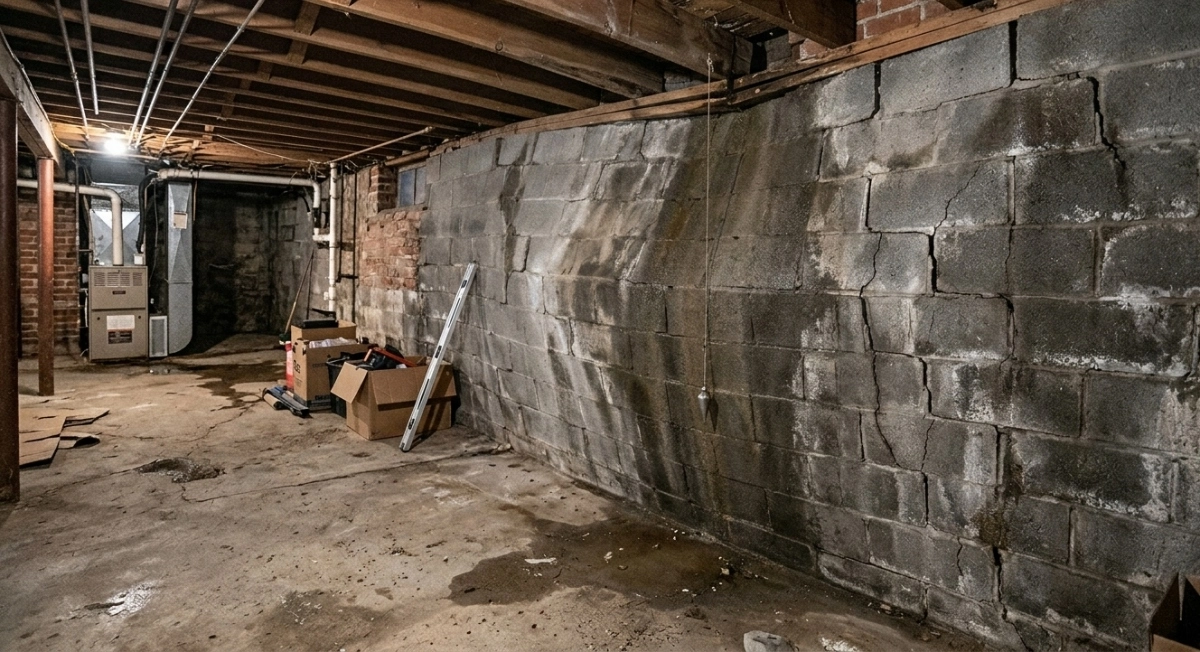
Pooling water around your home’s foundation can increase hydrostatic pressure and contribute to basement and crawl space moisture problems.
Mold or Moisture in the Crawl Space
A damp crawl space is often one of the first indicators that exterior drainage issues are affecting the home.
Poor Plant Growth
Overly saturated soil can damage grass, shrubs, and landscaping while encouraging fungus and insect activity.
What Causes Poor Yard Drainage?
Several factors can contribute to drainage problems.
Improper Grading
One of the most common causes is a yard that slopes toward the home rather than away from it. When water naturally flows toward the foundation, it can create both landscape and structural issues.
Clay Soil
Many Northern Virginia properties contain clay-heavy soil that absorbs water slowly and tends to remain saturated for extended periods after rainfall.
Low Areas in the Landscape
Depressions in the yard naturally collect runoff and may remain flooded long after a storm.
Gutter and Downspout Problems
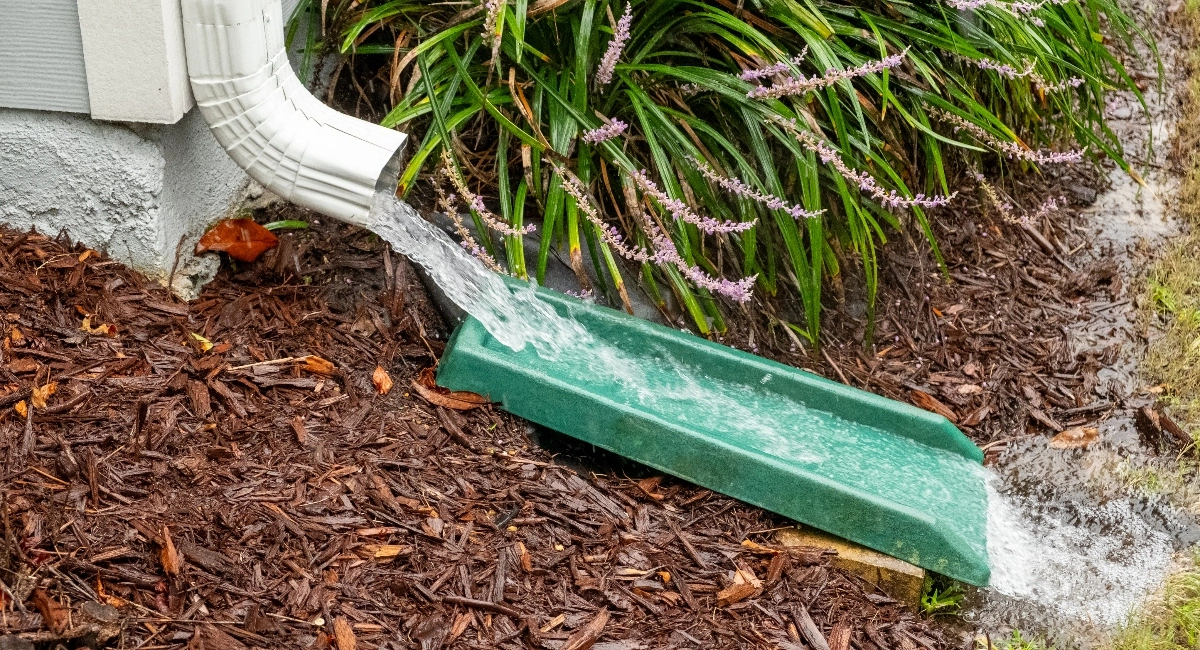
Improperly positioned downspouts can discharge large amounts of water directly into the yard, creating soggy conditions and foundation concerns.
Inadequate Drainage Systems
Some properties simply lack effective drainage systems capable of managing large volumes of stormwater.
Yard Drainage Solutions for Standing Water
The best solution depends on the source of the drainage problem and the layout of the property.
Improve the Yard’s Score
A properly graded yard should direct water away from the home. In many cases, adding topsoil to low areas can help improve drainage and prevent water from collecting near the foundation.
Install a French Drain
French drains are one of the most effective drainage solutions for managing excess surface water and groundwater.
A French drain consists of:
- A sloped trench
- Perforated drainage pipe
- Gravel or river rock
- Filter fabric
The system collects water and redirects it away from problem areas before it can damage landscaping or the foundation.
Extend Downspouts
Roof runoff contributes a surprising amount of water to drainage issues. Extending downspouts farther away from the home can significantly reduce water accumulation around the foundation.
Install Channel Drains
Patios, driveways, walkways, and other hard surfaces often collect water during heavy rain. Channel drains can capture and redirect water before it pools on these surfaces.
Create a Dry Well
Dry wells are underground collection systems that temporarily store excess water and gradually release it into the surrounding soil. They are particularly effective in areas where flooding occurs after storms but drains naturally within several hours.
Build a Rain Garden
Rain gardens are landscaped depressions designed to collect and absorb runoff while supporting water-tolerant plants. In addition to helping with drainage, rain gardens can add beauty and biodiversity to the landscape.
Why Poor Yard Drainage Shouldn't Be Ignored
Poor drainage can eventually affect much more than your lawn.
Over time, excess moisture may contribute to:
- Foundation settlement
- Foundation cracking
- Basement water intrusion
- Crawl space moisture problems
- Mold growth
- Concrete slab movement
- Damage to patios, sidewalks, and driveways
Addressing drainage issues early can help prevent more expensive repairs in the future.
Professional Yard Drainage Solutions in Northern Virginia
Every property is different, and effective drainage solutions require a thorough understanding of grading, soil conditions, runoff patterns, and foundation protection.
Basement Masters Waterproofing provides French drains, exterior drainage systems, foundation drainage solutions, crawl space moisture control, and basement waterproofing services throughout Northern Virginia and parts of Maryland.
Our team can evaluate your property, identify the source of drainage problems, and recommend a customized solution designed to keep your yard and foundation protected.
Contact Basement Masters Waterproofing today to schedule a free inspection and estimate.
Read More Blogs About Drainage
Blog was originally posted in October 2021 and updated June 2026.