

Basement flooding is one of the most stressful situations a homeowner can experience. Whether the water entered because of heavy spring rains, a sump pump failure, poor drainage, or a burst pipe, acting quickly can help minimize damage and reduce the risk of mold growth.
Flooding is especially common during the spring and summer months in Northern Virginia and Maryland, when heavy rainfall can overwhelm drainage systems and saturate the soil surrounding foundations.
If your basement has flooded, follow these steps to clean up safely and protect your home from long-term damage.
Step 1: Make Safety Your First Priority
Before entering a flooded basement, make sure the area is safe.
Floodwater may contain:
- Bacteria and sewage contaminants
- Chemicals and pollutants
- Sharp debris
- Mold spores
- Electrical hazards
If water is near electrical outlets, appliances, or wiring, turn off power to the affected area before entering. If you cannot safely access the electrical panel, contact a licensed electrician.
Wear protective equipment including:
- Waterproof boots
- Rubber gloves
- Eye protection
- Long sleeves and pants
- An N95 mask if mold is present
Never allow children or pets into a flooded area.
Step 2: Remove Standing Water
The faster water is removed, the better.
If your basement has a functioning sump pump, allow it to remove the water. Otherwise, consider using:
- A wet/dry vacuum
- Portable utility pump
- Pool pump
- Mop and bucket for small amounts of water
Removing standing water quickly helps reduce damage to flooring, drywall, furniture, and personal belongings.
Step 3: Remove Mud, Dirt, and Debris
Floodwater often leaves behind mud, silt, dirt, and organic debris. Remove as much material as possible before it dries and hardens.
Depending on the severity of the flooding, you may need to:
- Shovel accumulated mud
- Hose down walls and floors
- Rinse surfaces multiple times
This step makes the cleaning and disinfecting process much more effective.
Step 4: Clean and Disinfect All Surfaces
Floodwater can leave harmful contaminants behind even after visible debris has been removed.
Hard surfaces like the ones below should be thoroughly cleaned and disinfected:
- Concrete walls
- Tile floors
- Linoleum
- Wood trim
- Metal surfaces
Many homeowners use:
- Household cleaners
- Disinfectants
- Trisodium phosphate (TSP)
- Household ammonia (following safety guidelines)
- Hot water and detergent
Always follow manufacturer recommendations when using cleaning products.
Step 5: Evaluate Carpets, Furniture, & Personal Belongings
Not everything can be saved after a flood.
Items that may require replacement include:
- Carpet padding
- Upholstered furniture
- Mattresses
- Wet drywall
- Insulation
The longer these materials remain wet, the greater the risk of mold growth and contamination.
Washable items such as clothing, bedding, and curtains can often be cleaned using laundry detergent and appropriate disinfecting products.
For delicate fabrics such as silk or wool, consult a professional cleaner.
Step 6: Remove Wet Drywall and Insulation
If floodwater reached finished walls, wet drywall and insulation may need to be removed. Water trapped inside wall cavities can create ideal conditions for mold growth and structural damage.
Removing damaged materials allows the area to dry properly and helps prevent future moisture problems.
Step 7: Dry the Basement Completely
Drying is one of the most important parts of flood recovery.
Even after standing water is gone, moisture can remain hidden in:
- Concrete walls
- Wood framing
- Flooring materials
- Insulation
- Stored belongings
Use a combination of:
- Dehumidifiers
- Fans
- Air movers
- Air conditioning
- Heat (when appropriate)
The drying process may take several days or even weeks depending on the severity of the flooding.
Step 8: Watch for Mold Growth
Mold can begin developing within 24 to 48 hours after water intrusion.
Watch for signs such as:
- Musty odors
- Visible mold growth
- Discoloration on walls or floors
- Increased allergy symptoms
If significant mold growth is present, professional remediation may be necessary.
How to Prepare for Future Basement Flooding
While some flooding events are unavoidable, homeowners can take steps to reduce future risks.
Test Your Sump Pump
Regular sump pump testing helps ensure the system will operate when you need it most.
Check Floor Drains
Make sure floor drains remain clear and free of debris that could restrict water flow.
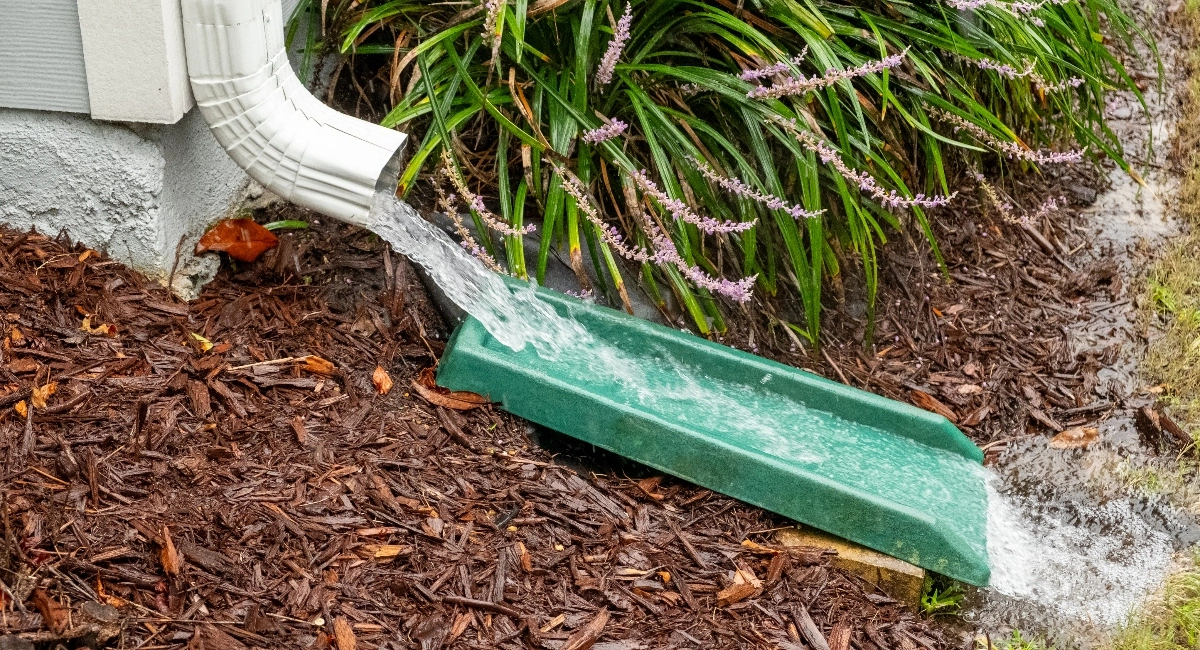
Extend Downspouts
Downspouts should direct water away from the foundation to reduce hydrostatic pressure and water accumulation.
Improve Yard Drainage
French drains, grading improvements, and other drainage solutions can help prevent water from collecting around the foundation.
Consider Basement Waterproofing
Interior and exterior waterproofing systems can help protect your home from future water intrusion and reduce the likelihood of repeat flooding.
When Should You Call a Professional?
If your basement experiences recurring flooding, standing water, foundation leaks, or moisture problems, it’s important to identify and address the source of the issue.
Professional waterproofing solutions may include:
- Drainage systems
- Sump pump installation
- French drains
- Foundation crack repair
- Exterior waterproofing
- Crawl space moisture control
Addressing the root cause can help prevent future flooding and protect your home’s value.
Basement Flood Cleanup and Waterproofing in Northern Virginia
Basement Masters Waterproofing provides basement waterproofing, sump pump installation, foundation repair, drainage solutions, and moisture control services throughout Northern Virginia and parts of Maryland.
If you’ve experienced basement flooding, our team can help identify the source of the problem and recommend long-term solutions designed to keep your basement dry and protected.
Contact Basement Masters Waterproofing today to schedule a free inspection and estimate.
Blog was originally published May 2020 and updated June 2026.