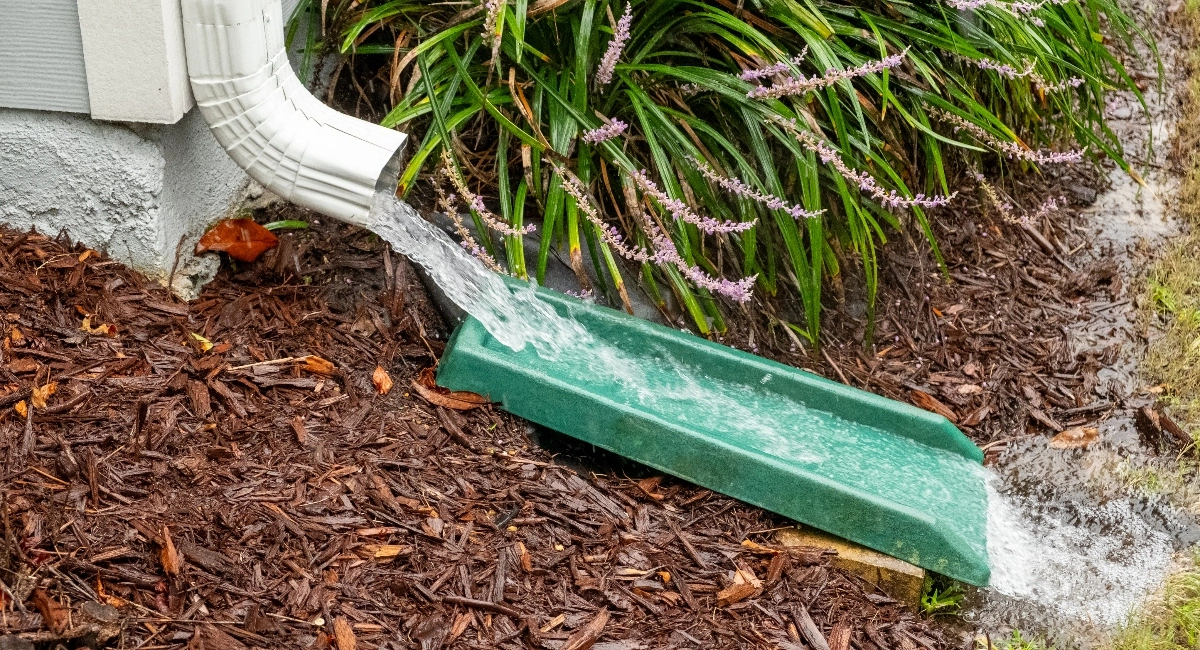

Standing water in your yard, soggy grass, erosion around your foundation, and persistent drainage problems are more than just landscaping concerns. Excess moisture can damage your lawn, contribute to foundation issues, and even increase the risk of basement or crawl space water intrusion.
One of the most effective ways to manage excess water is with a professionally installed French drain.
French drains have been used for decades to redirect surface water and groundwater away from problem areas, helping homeowners protect their property and maintain healthier landscapes.
What Is a French Drain?
A French drain is an underground drainage system designed to collect and redirect water away from areas where it tends to accumulate.
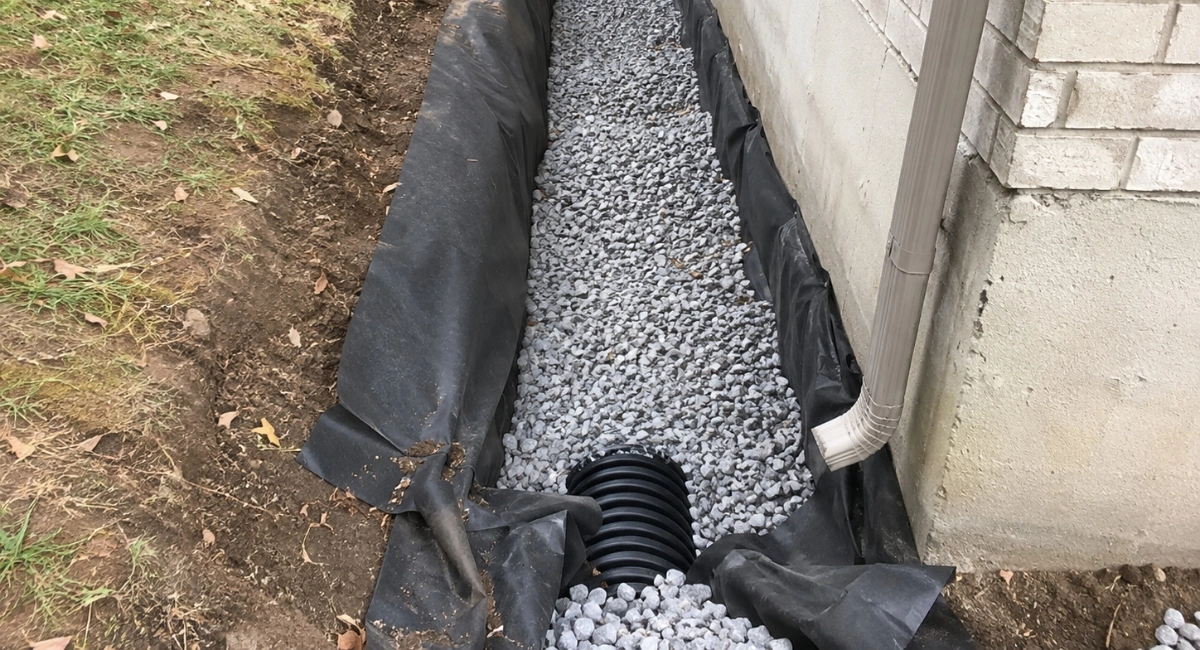
The system typically consists of:
- A sloped trench
- Perforated drainage pipe
- Clean gravel or river rock
- Filter fabric that helps prevent clogging
As water enters the trench, it flows through the gravel and into the perforated pipe, which carries the water away from the affected area.
French drains rely on gravity, making proper design and placement critical for long-term performance.
How Does a French Drain Work?
French drains intercept water before it has an opportunity to pool on the surface or build up around a home’s foundation. Water naturally follows the path of least resistance. By creating a sloped drainage channel, a French drain provides a controlled path for water to move away from your property.
Most systems are installed with a slight downward slope to ensure water flows efficiently toward a designated discharge point.
Because every property is unique, determining the correct slope and outlet location is an important part of the installation process.
What Is the Anatomy of a French Drain?
Although French drains appear simple from the surface, several components work together to create an effective drainage system.
Excavated Trench
The trench serves as the pathway that collects and directs water toward the discharge location.
Filter Fabric
A permeable filter fabric lines the trench and helps prevent soil from entering the system and clogging the pipe.
Gravel or River Rock
Clean gravel surrounds the drainage pipe and creates open spaces that allow water to move freely into the system.
Perforated Drain
The perforated pipe collects water and transports it away from the problem area.
Surface Covering
Depending on the installation, the drain may be covered with decorative stone, soil, grass, or landscaping materials to blend into the surrounding yard.
Some drainage systems may also utilize enclosed drainage channels that provide additional protection against root intrusion and debris buildup.
Where Is the Best Place to Install a French Drain?
The ideal location depends on the source of the drainage problem. However, several common areas often benefit from French drain installation.
Around the Foundation
One of the most common applications is protecting a home’s foundation.
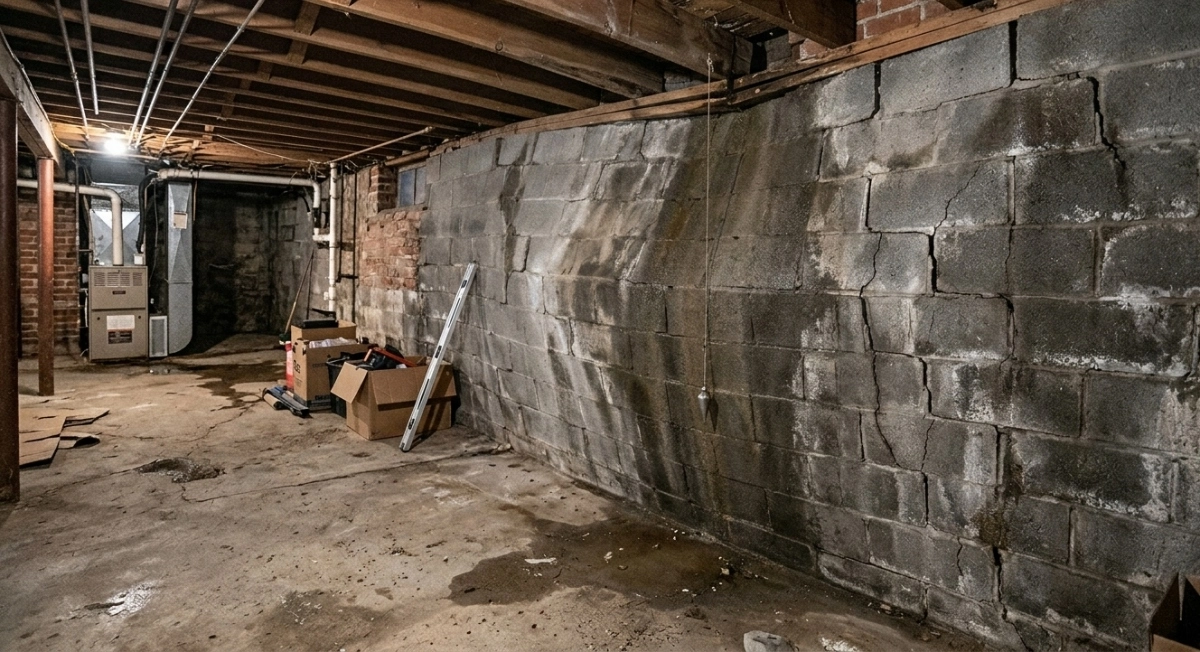
When water repeatedly collects near foundation walls, it can increase hydrostatic pressure and contribute to foundation cracks, settlement, and basement moisture problems.
A French drain can help redirect water away from the structure before damage occurs.
Low Areas of the Yard
Water naturally collects in low spots.
If sections of your lawn remain muddy long after rainfall, a French drain can capture and redirect standing water, improving drainage and promoting healthier grass growth.
Behind Retaining Walls
Water pressure behind retaining walls can eventually lead to cracking, movement, or structural failure. Installing a French drain behind the wall helps relieve pressure by allowing water to drain away rather than build up behind the structure.
Along Sloped Properties
Homes built on hillsides or sloped lots often experience runoff issues during heavy rain. French drains can intercept runoff before it reaches the home, helping protect foundations, landscaping, and outdoor living spaces.
Signs You May Need a French Drain
A French drain may be an effective solution if you notice:
- Standing water after rain
- Soggy or muddy areas in the yard
- Water pooling near the foundation
- Soil erosion
- Basement or crawl space moisture
- Water collecting near retaining walls
- Persistent drainage issues despite grading improvements
Addressing drainage problems early can help prevent more extensive foundation and waterproofing repairs in the future.
Why Professional Installation Matters
While French drains may appear straightforward, proper installation requires careful planning.
Factors such as slope, soil conditions, discharge locations, foundation proximity, and local drainage requirements all affect performance.
A poorly installed French drain may fail to move water effectively or could even redirect water toward the home. Professional evaluation helps ensure the system is designed specifically for your property’s drainage needs.
French Drain Installation in Northern Virginia and Maryland
Basement Masters Waterproofing provides French drain installation, yard drainage solutions, foundation drainage systems, basement waterproofing, and foundation repair services throughout Northern Virginia and parts of Maryland.
Our experienced team can identify the source of drainage problems and recommend a customized solution designed to protect your home, foundation, and landscape.
Contact Basement Masters Waterproofing today to schedule a free inspection and estimate.